
Browse the catalogue with the clauses beside it
A catalogue is a browsing surface: categories on the left, product cards in the middle, one page per item with the seller's own photographs. It is a way of finding things. It is not a warranty, and it was never written to be one.
Search products
On this page
Every card below opens the matching category. The second line is the clause that kind of thing tends to meet.
Sixteen categories, and the rule waiting inside each one
Shopping and reading the terms happen at different moments, usually days apart, and by the time the second moment arrives the decision has already been made. Putting them side by side is the whole idea of this page. Nothing below is a recommendation; the note under each card names the clause that category runs into most often.
16 categories
No matching category
Try a broader category name, change the group or use Reset to see every category.
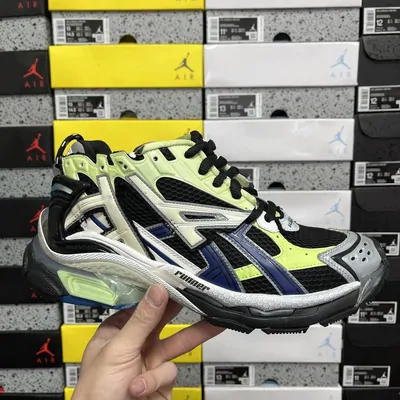 SneakersThe security tag is a condition of its own in the returns clause. Cut it off and that clause closes.
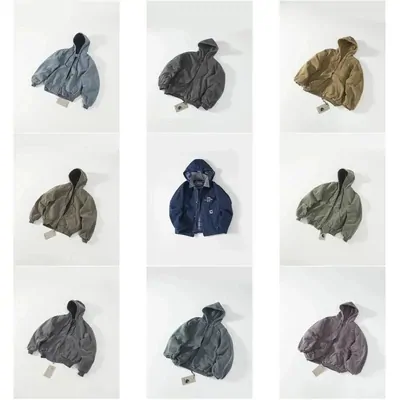 Jackets & CoatsThe shop carton is not what ships. Repacking into the warehouse bag is standing practice, not an exception.
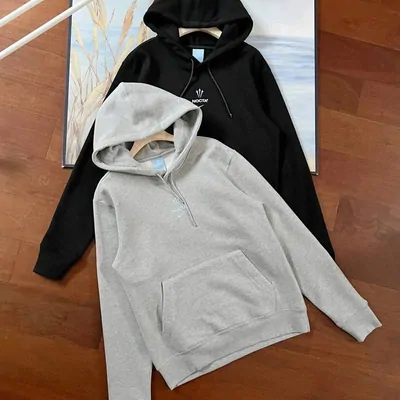 HoodiesColour difference is named as outside the inspection scope. A shade you dislike is not a failed check.
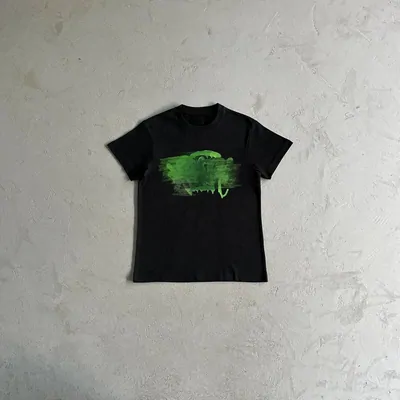 T-ShirtsAsk for the tags to come off and the returns clause stops applying. It says so in as many words.
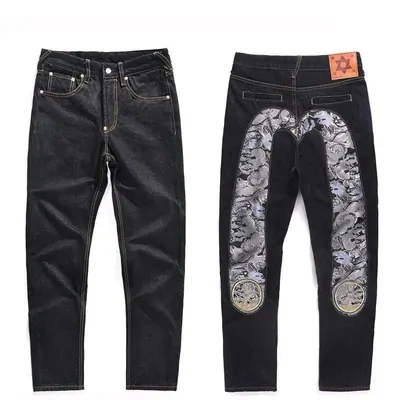 JeansSize deviation is outside the inspection scope as well. Nobody at the warehouse is checking a waist against the listing.
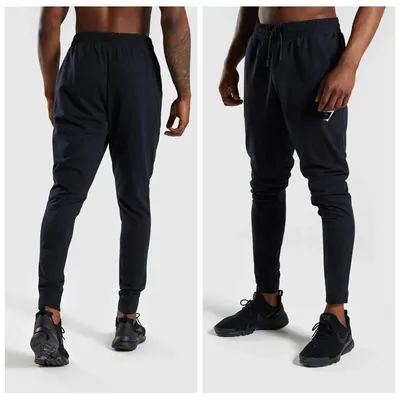 SweatpantsUse effect sits outside the scope too, and that is the phrase covering how a thing wears once you have it.
 WomenswearThere is no separate rulebook for this section. The same exclusions run here as everywhere else.
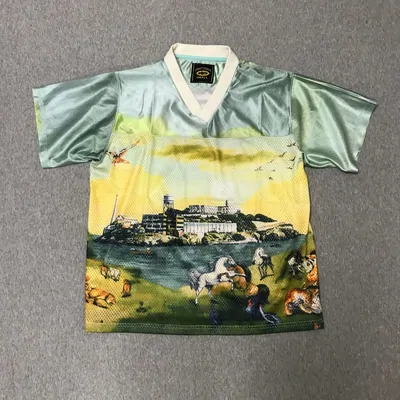 JerseysIf a print comes back wrong, the claim runs on photographs, and the clause names which ones it wants.
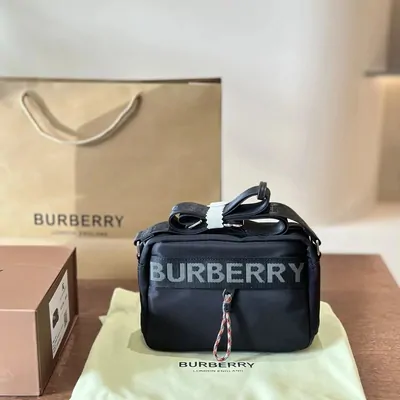 BagsInspection reports on the parcel in front of it. It never tells you which seller you should have picked.
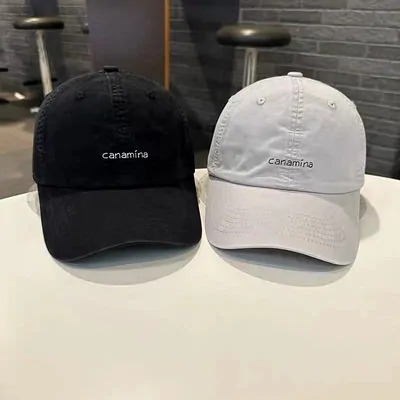 HatsThe clauses are written about contents, not about packaging. Read them before you ask for the box to travel.
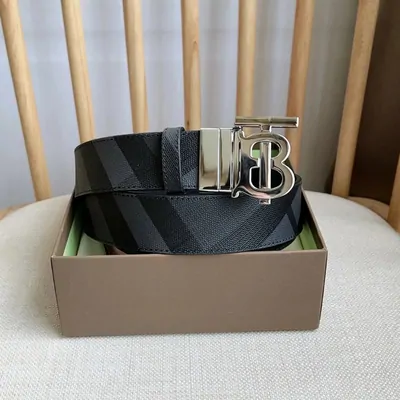 BeltsLeather goods get the same short inspection as everything else. Length stays a listing question, never a quality one.
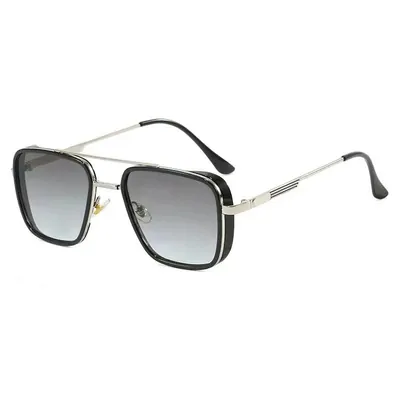 EyewearThis is where the fragile clause lands, and that clause is written narrowly enough to be worth reading first.
 PerfumeA sealed bottle is not opened at the warehouse. The inspection set stops at the outside of the box.
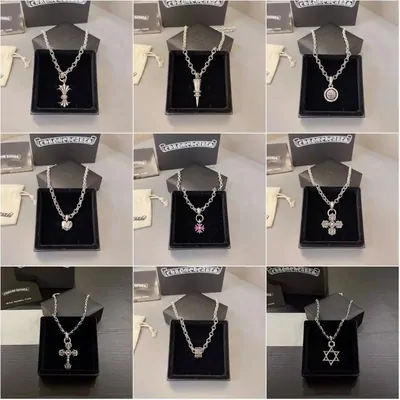 JewellerySmall does not mean different. Every clause on this site applies at this size too.
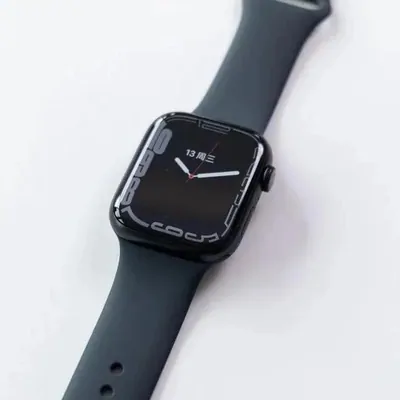 WatchesThe restricted list names components, not products. That is the page to read for anything carrying a battery.
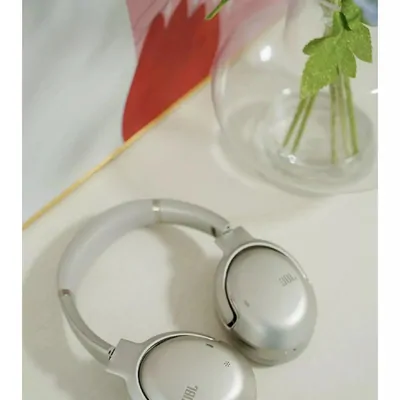 ElectronicsThese are inspected for damage only. Whether it works is not a question the warehouse answers.
Every card opens the matching category in the catalogue. The note under each one says which clause that kind of thing runs into, not how nice it looks.
What you are actually looking at, before any of this matters
This site spends most of its time on clauses, so it is worth saying plainly what the thing above them is. An OOTDBuy Spreadsheet is a shopping catalogue: product cards you browse by category, each card opening a page that carries the source seller's own photographs, title and variant names. It is a shop window, and the sixteen doors above are how people walk into it.
It is not a file you download, and it is not stock anybody on this side holds. No price on it is set by anyone but the seller, no card obliges you to buy, and browsing costs nothing and commits nothing. That is precisely why browsing is the right moment to be slow, and why every section below is about something that becomes expensive later.
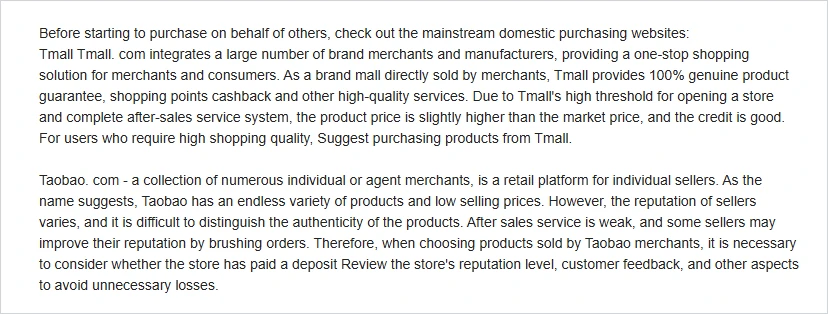
What turns browsing into an order is a link and an instruction, and from that point the published notices take over. The rest of this page is the gap between the two: everything a card shows you, against everything the notices decline to promise about it.
Source excerpt · dated capture
Reading a listing
A colour list is a list of what the seller stocks
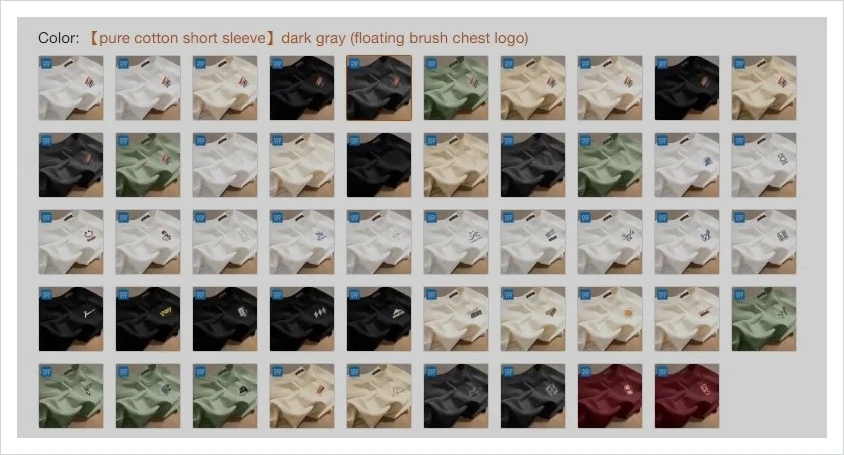
Open almost any clothing listing and the first thing you meet is a wall of small square swatches, dozens of them, each one a photograph of the garment rather than a flat colour. Under the grid sits the currently selected variant, written out in full, brackets and all, exactly as the seller typed it.
That string is worth reading carefully, because it is the only machine-readable thing on the page. It is what gets copied into a purchase request. Everything else on the screen is a picture.
What the grid proves is that the seller has declared those variants. It does not prove the shade matches the photograph, and the warehouse will not be the one to tell you if it does not: colour difference is named as outside the inspection scope, in those words, on the inspection notice. A swatch is a selection tool, never a colour guarantee.
Source excerpt · dated capture
Sizes are numbers the seller chose, not measurements
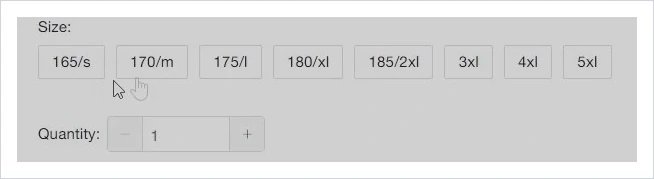
Under the colours sits a row of size buttons and a quantity stepper. On mainland listings the size labels usually carry a height in centimetres alongside the letter, which is genuinely more useful than a bare letter, and still tells you nothing about the garment.
Nobody downstream is going to check it. The inspection notice puts size deviation in the same excluded set as colour, so a sleeve that runs short is not a failed check and will not be treated as one.
The practical move is to find the seller's own measurement table on the listing and compare it against something you already own, before the order rather than after it.
Source excerpt · dated capture
Pivot
The disclaimer printed under the pictures
Below the gallery on a product page, set in a colour that makes it easy to skip, sits a short disclaimer. It says that the images and the description come from the source seller, and it separates the platform from both.
Read plainly, it is the single most honest sentence in the entire shopping flow, and it is placed where nobody reads sentences. It tells you that the photographs are marketing material produced by the party with the most to gain, that the text beside them was written by the same party, and that the service carrying the parcel takes no position on either.
This is not a complaint. A forwarding service that vouched for every listing it touched would be making a promise it could not keep, and the notices are consistent with the disclaimer all the way through: the warehouse verifies material and category, and declines to form a view on anything else. The disclaimer is simply where that policy is stated closest to the moment of purchase.
Source excerpt · dated capture

What the review wall on the front page is evidence of
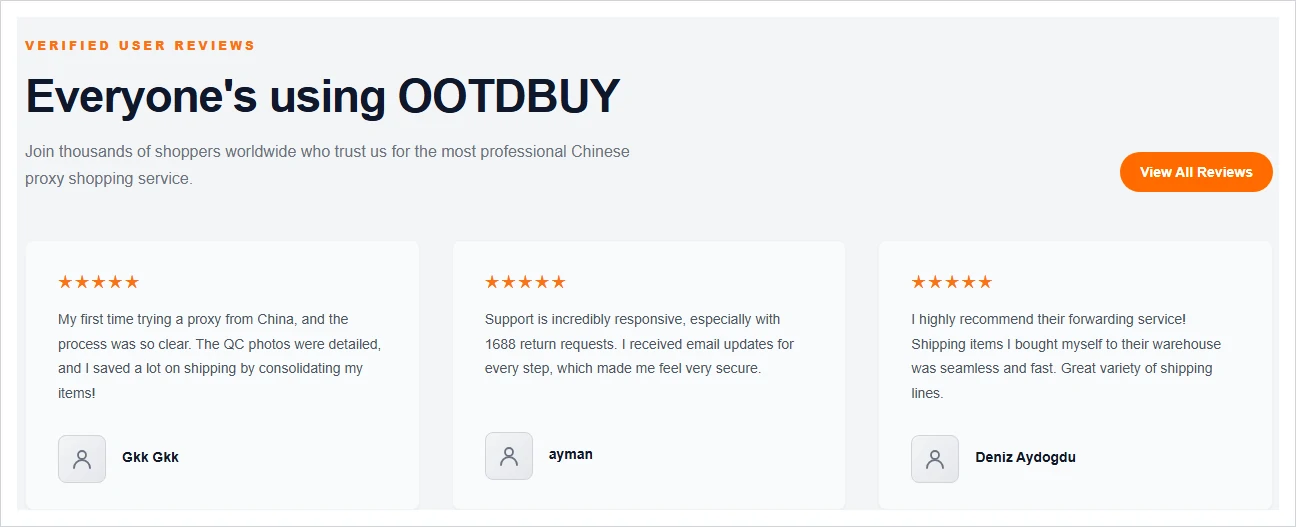
The operator runs a review section on its own home page, headed as verified, with a line above it saying everyone is using the service and a set of five star cards underneath signed with first names.
Taken for what it is, this is useful: it tells you the service has a real user base and that the operator is willing to put names on a public page. Taken for more than that, it misleads, because a review wall selected and published by the party being reviewed is a marketing surface. The cards on display are the ones the operator chose to display.
The reason this site reads clauses instead of reviews is not that reviews are dishonest. It is that a clause binds and a review does not. When a parcel goes missing, the sentence that decides the outcome is on a notice page, and it will be the same sentence whatever the cards say.
Source excerpt · dated capture
Listing surface against clause, side by side
One table, four rows, and the whole argument of this page. The left column is what a shopper reasonably believes while browsing. The right column is what the published notices actually commit to. The gap between them is not fraud; it is the part nobody reads.
| On the listing | In the notices |
|---|---|
| Colour swatches, dozens of them | Colour difference is stated to be outside the scope of the inspection |
| Size buttons with heights attached | Size error is stated to be outside that scope as well |
| Photographs of the product in use | Use effect is the third named exclusion, which covers how a thing behaves once you have it |
| A brand name in the title | The warehouse verifies material and category and declines to judge authenticity |
Every entry in the right column comes from the inspection notice or the notice about receiving a parcel, both read on 2026-09-03.
Source excerpt · dated capture

How to use this page without it slowing you down
None of the above argues against buying anything. It argues for spending the extra minute where it is cheap, which is before the order, rather than where it is expensive, which is after a parcel has been signed for.
Three habits cover most of it. Copy the variant string rather than describing the colour in your own words, because the string is what the buyer downstream will act on. Read the seller's measurement table instead of the size letter. And when a listing photograph is doing a lot of persuading, remember the disclaimer sitting directly underneath it, which says in plain language who produced that photograph.
Then move on. The next stage has its own clauses, and they are the ones with deadlines attached.
For the selection example, return to the variant grid above.